
Navigating Change: Turning Uncertainty into Opportunity

In times of upheaval, it's natural to feel overwhelmed by the rapid changes around us, even for those of us who are clean and sober. I have family members and friends, along with a few others have called me as they're feeling distraught and fearful of what's to come. Because of initiatives coming down from the new White House administration, institutions we once relied upon, like universities and nonprofits, are making significant cuts, and services such as USAID and Lutheran Family Services are facing defunding. These shifts can leave us questioning our place and purpose, stirring uncertainty about how to continue making a difference in the world.
However, it's precisely during these challenging times that we have the opportunity to foster profound personal and communal growth. Instead of resisting or denying these changes, we can adopt a mindset akin to mental tai chi—embracing the flow and seeking the opportunities within. The world is shifting, and instead of throwing ourselves against the tide, we can learn to move with it, redirecting energy where it is most needed.
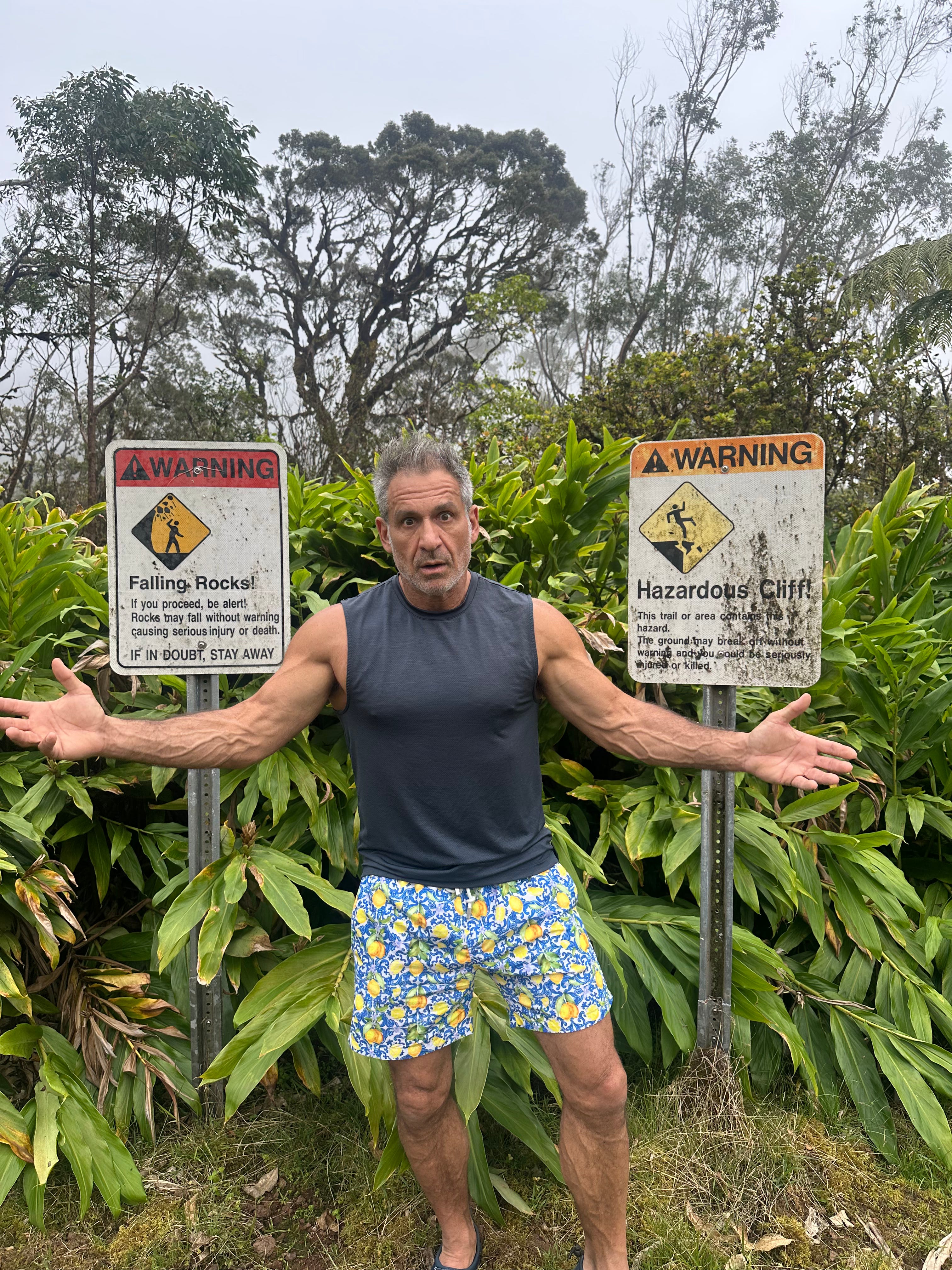
For instance, with the defunding of Lutheran Family Services, a primary provider of identification services for the unhoused in Las Vegas, there's a looming gap in support. Rather than protesting the change in a way that doesn’t yield results, we might consider how organizations like Vegas Stronger can expand their ID programs for Americans to fill this void. By doing so, we not only address an immediate need but also strengthen our community's resilience. If USAID funding is shifting, perhaps that signals an opportunity to explore new ways to make an impact, to find the spaces where our efforts can be more effective, more necessary, and more valued.
This is the kind of thinking we must embrace in a world that seems to be redefining itself daily. We should not only be paying attention to these changes but actively engaging with them, finding ways to be useful, to adapt, and to continue serving our communities in meaningful ways. The upheaval we are witnessing is not just an end but a beginning—an opening for creative problem-solving, for innovative solutions, and for strengthening our sense of purpose in uncertain times.
Of course, navigating such times requires fortitude, and a crucial part of that is maintaining our own mental, physical and emotional well-being. I’ve realized that part of my personal adaptation includes a social media purge for my mental health. It’s easy to get caught in the endless noise, the cycle of outrage, and the paralysis of despair. Instead, I choose to be thoughtful and optimistic—to clear the distractions and focus on what can actually be done.
The nonprofit sector is reacting strongly to the current administration’s funding cuts, which impact organizations like ours. I want to offer a respectful perspective that may differ from many of my colleagues in the field.
At Vegas Stronger, we believe in financial sustainability and independence. While I don’t agree with all federal spending cuts, I do recognize the reality of our nation’s debt crisis—one that cannot be ignored. Relying too heavily on government funding puts nonprofits in a precarious position, especially when our very existence is meant to fill the gaps where government and private sector solutions fall short.
If the government cannot fully address these gaps, then should we expect it to fund our solutions? Are we truly addressing an unmet need if we rely on funding from the same entity whose shortcomings contributed to the problem?
The nonprofit sector is strongest when it remains mission-driven, not politically driven. Our donors and supporters come from diverse backgrounds, yet they unite behind our shared goal: helping people rebuild their lives from addiction and homelessness. That mission must remain our priority. While we can and should engage in policy discussions, we must ensure our success is not dependent on government funding.
Instead, we should focus on building a sustainable financial future through philanthropic partnerships, particularly major gifts and individual giving. Year after year, data from #GivingUSA reinforces that individual donors—not government grants—are the largest source of nonprofit funding. We must cultivate these relationships to drive long-term impact.
I hope this conversation leads to:
A stronger focus on our core mission.
Deepened relationships with the individual donors who sustain our work.
Greater reliance on private philanthropy to expand our impact.
Let’s focus on real, existing gaps in services and turn to those who have the power to fuel lasting change: philanthropists and donors who stand with us—regardless of government decisions.
So, I encourage you to approach these changes not with fear, but with determination. Let’s ask ourselves: How can we pivot? Where can we be of the most use? How can we ensure that while the world shifts, we remain steadfast in our mission to help others?
Change is inevitable. But whether it defeats us or strengthens us—that is entirely up to us.